
Summary
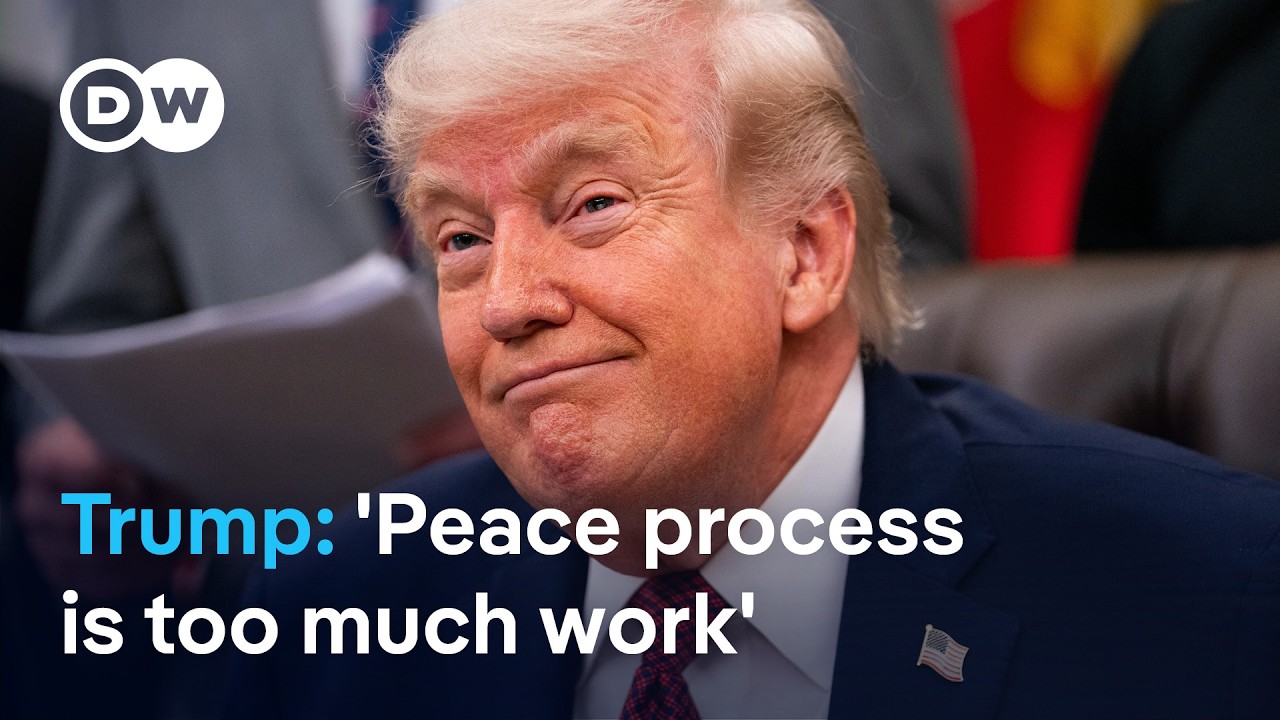
President **Donald Trump** has announced that a planned US delegation visit to **Pakistan** will no longer take place, citing **Iran**'s internal conflicts as the reason. This development comes as the international community is closely watching the **Iran peace talks**, which have been shrouded in uncertainty. The situation is complex, with **Israel** and other regional players involved. For more context, see [[iran-peace-talks|Iran Peace Talks]] and [[middle-east-geopolitics|Middle East Geopolitics]]. The cancellation of the US delegation visit may have significant implications for regional stability, as discussed in [[pakistan-us-relations|Pakistan-US Relations]].
Key Takeaways
- The US delegation visit to Pakistan has been canceled due to uncertainty surrounding the Iran peace talks.
- The move may be seen as a sign of the US's growing frustration with the lack of progress in the talks.
- The situation is complex, with various players involved, including Israel and Iran.
- The cancellation of the US delegation visit may have significant implications for regional stability and US-Pakistan relations.
- The international community should encourage all parties involved to engage in constructive dialogue.
Balanced Perspective
The decision to cancel the US delegation visit to **Pakistan** is likely a response to the current uncertainty surrounding the **Iran peace talks**. While this move may be seen as a setback for **US-Pakistan relations**, it is essential to consider the broader geopolitical context. The **US** is likely trying to navigate a complex web of alliances and interests in the region, as explained in [[middle-east-geopolitics|Middle East Geopolitics]]. The situation is fluid, and the **US** may revisit its decision to send a delegation to **Pakistan** in the future. For analysis on the **US**'s role in the region, see [[us-middle-east-policy|US Middle East Policy]].
Optimistic View
The cancellation of the US delegation visit to **Pakistan** could be seen as an opportunity for the **US** to reassess its priorities in the region and focus on more pressing issues, such as the **Iran peace talks**. This move might also encourage **Iran** to take a more constructive approach to the negotiations, potentially leading to a breakthrough. For a deeper understanding of the **Iran peace talks**, see [[iran-peace-talks|Iran Peace Talks]]. The involvement of **Israel** and other regional players adds complexity, as discussed in [[israel-middle-east|Israel and the Middle East]].
Critical View
The cancellation of the US delegation visit to **Pakistan** may be a sign of deeper divisions within the region and a lack of progress in the **Iran peace talks**. This move could exacerbate existing tensions between the **US** and **Pakistan**, potentially leading to a deterioration in their relationship. Furthermore, the uncertainty surrounding the **Iran peace talks** may embolden other regional players, such as **Israel**, to take a more aggressive stance, as discussed in [[israel-iran-relations|Israel-Iran Relations]]. For insight into the potential consequences of failed peace talks, see [[iran-peace-talks-failure|Consequences of Failed Iran Peace Talks]].
Source
Originally reported by CNN